
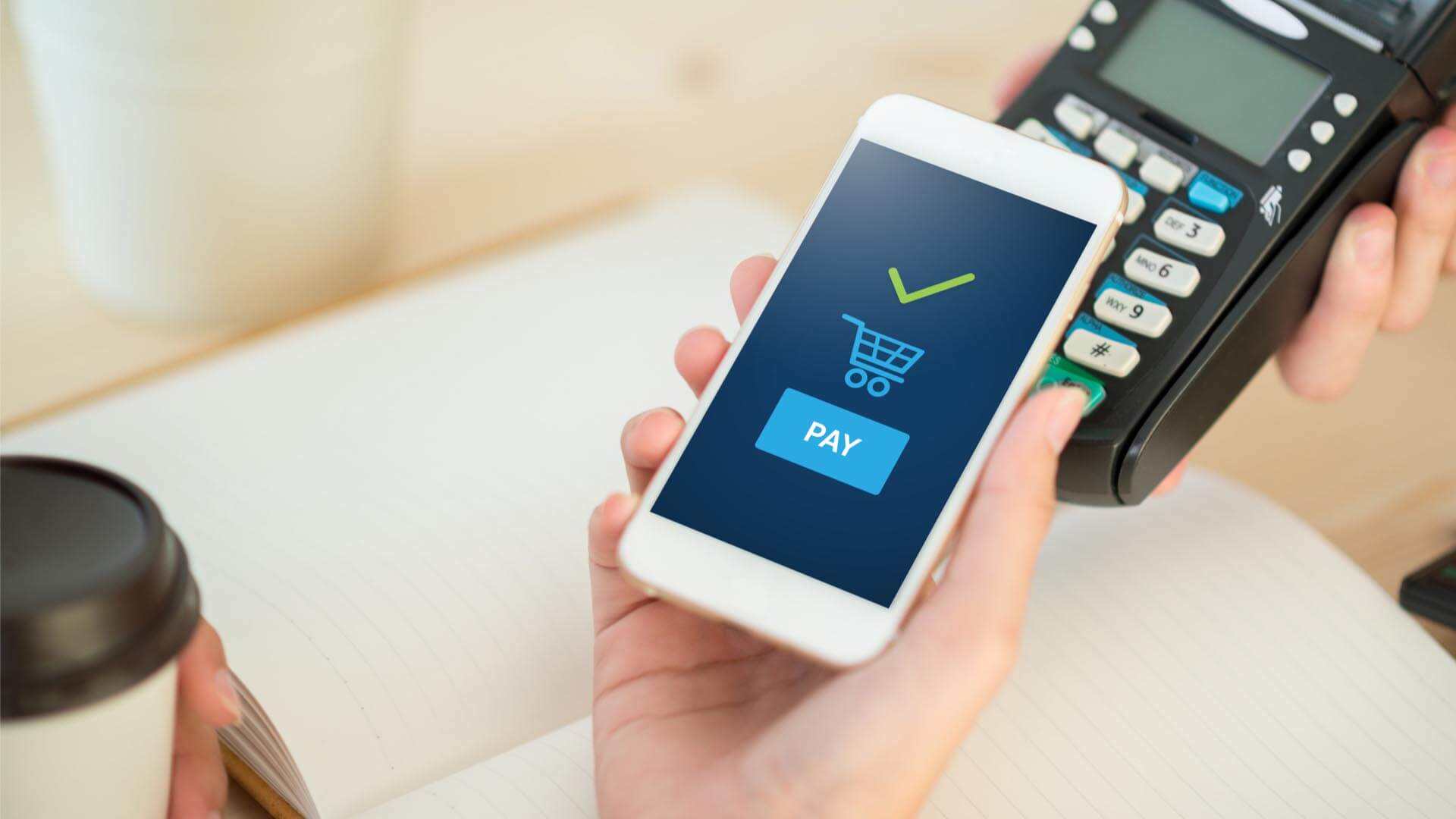
Remember when paying meant fumbling through your wallet for exact change or nervously waiting for a card machine to connect? Those days are fading fast. In today’s fast-paced world, QR codes and Near Field Communication (NFC) are turning smartphones into the new wallets. And nowhere is this shift happening faster than in regions like MENA, where digital adoption is skyrocketing.
For businesses, this isn’t just a cool tech trend—it’s a massive opportunity to attract customers, speed up transactions, and reduce costs. Let’s break down why QR and NFC payments are on the rise, and what companies need to know to stay ahead.
Why QR and NFC Are Suddenly Everywhere
The rise of QR and NFC payments isn’t accidental—it’s the result of three big forces coming together.
First, consumer demand. People want payments that are fast, secure, and contactless. QR codes let customers scan and pay in seconds, while NFC allows tap-and-go transactions that are almost frictionless.
Second, pandemic habits. COVID-19 pushed consumers and businesses away from cash. Contactless solutions weren’t just convenient—they felt safer. That habit has stuck.
And third, merchant adoption. From high-end malls in Dubai to street cafés in Cairo, merchants are realizing that offering QR or NFC payment options keeps customers happy—and spending.
QR Payments: Simple, Scalable, and Cost-Effective
QR (Quick Response) codes are everywhere now—printed on menus, receipts, and even billboards. For businesses, the appeal is obvious: QR codes are cheap and easy to set up. All you need is a smartphone and a payment app.
Small businesses, especially in emerging markets within MENA, love QR codes because they don’t require expensive point-of-sale hardware. A café in Riyadh can display a printed QR code, and customers can pay instantly using their banking or e-wallet app.
Plus, QR payments are highly flexible. They work for everything from splitting a bill with friends to paying utility bills.
NFC Payments: Sleek, Fast, and Premium
NFC (Near Field Communication) is the technology behind services like Apple Pay, Google Pay, and Samsung Pay. Customers just tap their phone—or even a smartwatch—on the reader, and payment is done in under a second.
For retailers, NFC brings a premium feel. It’s fast, seamless, and usually tied to a brand’s loyalty or rewards program. In high-traffic environments like Dubai Metro or large supermarkets, NFC is a lifesaver because it keeps queues moving.
Of course, NFC does require more infrastructure—payment terminals, POS integration, and sometimes higher fees—but for medium and large businesses, it’s a worthwhile investment.
Security: A Top Concern for Customers
Trust plays a huge role in payment adoption. Luckily, both QR and NFC payments are built with strong security layers.
- QR codes, when linked to regulated banking apps or wallets, rely on encryption and tokenization.
- NFC transactions use dynamic security codes, making it difficult for hackers to replicate.
Still, businesses must choose reliable payment providers and educate customers about avoiding fake or phishing QR codes. After all, nobody wants to scan a code that takes them somewhere sketchy.
The MENA Angle: Adoption on the Rise
MENA is becoming a hotspot for QR and NFC payments. In the UAE, initiatives like the Dubai Cashless Vision 2025 are accelerating adoption. Saudi Arabia’s Vision 2030 has also prioritized digital payments, aiming for 70% non-cash transactions by 2030.
Across Egypt, Jordan, and Morocco, QR-based wallets are helping bring financial services to the unbanked, who previously relied only on cash. For businesses, that’s a whole new market segment opening up.
What Businesses Should Keep in Mind
- Know Your Customer Base: Small cafés or salons may benefit more from QR codes, while large retailers or supermarkets may lean toward NFC.
- Integrate with Loyalty Programs: Customers love rewards. Linking QR or NFC payments to discounts or points keeps them coming back.
- Stay Compliant: Regulations vary across MENA. Make sure your payment provider meets local central bank requirements.
- Promote Trust: Display clear signage (“Pay with QR” or “Tap to Pay”) and assure customers their data is secure.
Case Study: Quick Adoption in Dubai
Take Dubai Mall, for example. Many retailers have embraced both QR and NFC payments, giving shoppers the freedom to choose. You’ll find QR codes at food courts for quick bill splits, while luxury brands use NFC to offer a sleek, fast checkout experience.
The result? Happier customers, faster lines, and higher spending. It’s proof that businesses who adapt to new payment preferences reap the rewards.
Looking Ahead
The rise of QR and NFC isn’t a passing trend—it’s the future of payments. For businesses in MENA, adopting these technologies is no longer optional; it’s expected. Whether it’s a QR code on a café counter or an NFC tap in a luxury boutique, the goal is the same: speed, convenience, and trust.
As consumer behavior continues to evolve, businesses that embrace QR and NFC payments today will be the ones winning customer loyalty tomorrow.